Understanding Laser Hair Removal Discomfort Levels: What to Expect and How to Manage It
- radoslav552
- Jan 27
- 4 min read
If you’re considering laser hair removal, you might be wondering about the pain involved. It’s a common question, and honestly, it’s one I had myself before trying it. The good news is that while laser hair removal does involve some discomfort, it’s usually manageable and brief. In this post, I’ll walk you through what to expect regarding pain, explain the different discomfort levels, and share tips on how to make the experience as comfortable as possible.

What Are Laser Hair Removal Discomfort Levels Like?
Laser hair removal discomfort levels can vary quite a bit depending on several factors. The sensation is often described as a quick snap or sting, similar to a rubber band flicking against your skin. Some areas of the body are more sensitive than others, so the pain level can change depending on where you’re getting treated.
For example, areas like the upper lip or bikini line tend to be more sensitive, while places like the arms or legs usually feel less uncomfortable. Your personal pain tolerance also plays a big role. What feels mildly irritating to one person might be more intense for another.
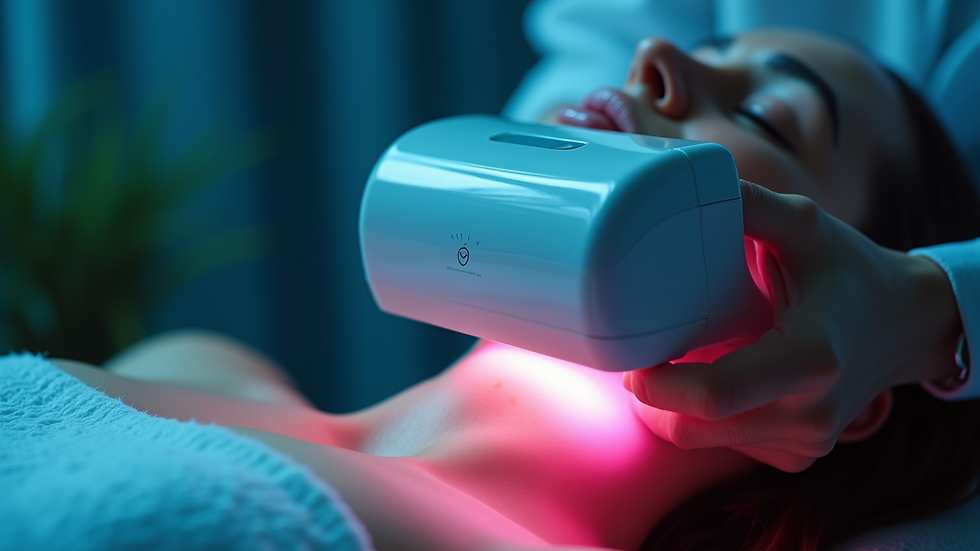
The laser targets hair follicles by emitting light that converts to heat, which disables the follicle. This heat is what causes the sensation you feel. The good news is that the discomfort is usually short-lived, lasting only a few seconds per pulse.
If you want to get a better idea of the typical laser hair removal pain level, it’s helpful to read reviews or talk to professionals who can give you a realistic picture based on your specific treatment area.
Factors That Influence Laser Hair Removal Pain
Understanding what affects the pain you might feel can help you prepare mentally and physically. Here are some key factors:
Treatment Area: As mentioned, sensitive areas like the face, underarms, and bikini line tend to hurt more.
Hair Thickness and Color: Coarser, darker hair absorbs more laser energy, which can increase discomfort.
Skin Type: People with lighter skin and darker hair usually experience less pain because the laser targets pigment in the hair.
Laser Type and Settings: Different lasers have varying intensities and cooling mechanisms. Newer machines often have built-in cooling to reduce pain.
Technician Skill: Experienced technicians can adjust settings and techniques to minimize discomfort.
Your Pain Threshold: Everyone’s tolerance is different, so your experience might be unique.
Knowing these factors can help you set realistic expectations and choose the right clinic or device.
How to Feel Less Pain During Laser Hair Removal?
If the idea of pain is holding you back, don’t worry. There are several ways to reduce discomfort during your sessions:
Numbing Creams: Applying a topical anesthetic about 30-60 minutes before treatment can significantly dull the sensation.
Cooling Devices: Many clinics use cooling gels or air cooling systems during the procedure to soothe the skin.
Avoid Sun Exposure: Tanned skin can increase sensitivity and risk of burns, so avoid sun exposure before your session.
Stay Hydrated and Rested: Being well-hydrated and rested can help your skin respond better.
Communicate with Your Technician: Let them know if the pain is too much. They can adjust the laser settings or take breaks.
Take Over-the-Counter Pain Relievers: If you’re comfortable, taking ibuprofen before your appointment can help reduce inflammation and pain.
By using these strategies, many people find laser hair removal quite tolerable.

What Does Laser Hair Removal Feel Like Compared to Other Hair Removal Methods?
If you’ve tried waxing, shaving, or epilating, you might be curious how laser hair removal compares in terms of pain. Here’s a quick comparison:
Shaving: Painless but requires frequent upkeep and can cause irritation or cuts.
Waxing: Often more painful than laser because it pulls hair out from the root, but the pain is quick and intense.
Epilating: Similar to waxing, it can be quite painful as it removes hair from the root.
Laser Hair Removal: The pain is more like a quick sting or snap, less intense than waxing but more than shaving.
Many people find that after a few laser sessions, the discomfort decreases as hair growth slows and thins. Plus, the long-term results make the temporary discomfort worthwhile.
What to Expect After Your Laser Hair Removal Session?
After your session, your skin might feel a bit sensitive, similar to a mild sunburn. This is normal and usually fades within a few hours to a couple of days. Here’s what you can do to care for your skin:
Avoid Sun Exposure: Use sunscreen and cover the treated area to prevent irritation.
Moisturize: Apply gentle, fragrance-free moisturizers to soothe the skin.
Avoid Hot Baths and Saunas: Heat can irritate the treated skin.
Don’t Pick or Scratch: Let any redness or swelling heal naturally.
If you experience any unusual pain or blistering, contact your technician or dermatologist immediately.
Final Thoughts on Managing Laser Hair Removal Discomfort
Laser hair removal discomfort levels are generally mild and manageable, especially with the right preparation and care. Remember, the sensation is brief and usually less intense than other hair removal methods like waxing. By understanding what to expect and using pain-reducing techniques, you can make your laser hair removal experience much more comfortable.
If you’re ready to take the next step, consider consulting with a trusted professional who can tailor the treatment to your needs and help you achieve smooth, radiant skin with minimal discomfort.
I hope this guide helps you feel more confident and informed about laser hair removal. It’s a fantastic option for long-term hair reduction, and with the right approach, the pain is definitely something you can handle.
Happy smooth skin journey!

Product Title
16 px collapsible text is perfect for longer content like paragraphs and descriptions. It’s a great way to give people more information while keeping your layout clean. Link your text to anything, including an external website or a different page. You can set your text box to expand and collapse when people click, so they can read more or less info.
$320

Product Title
16 px collapsible text is perfect for longer content like paragraphs and descriptions. It’s a great way to give people more information while keeping your layout clean. Link your text to anything, including an external website or a different page. You can set your text box to expand and collapse when people click, so they can read more or less info.
$900
Product Title
16 px collapsible text is perfect for longer content like paragraphs and descriptions. It’s a great way to give people more information while keeping your layout clean. Link your text to anything, including an external website or a different page. You can set your text box to expand and collapse when people click, so they can read more or less info.
$560
Product Title
16 px collapsible text is perfect for longer content like paragraphs and descriptions. It’s a great way to give people more information while keeping your layout clean. Link your text to anything, including an external website or a different page. You can set your text box to expand and collapse when people click, so they can read more or less info.
$280


Comments